 ↗
↗
GLM-5.3-Flash (2× Spark)Four serving stacks
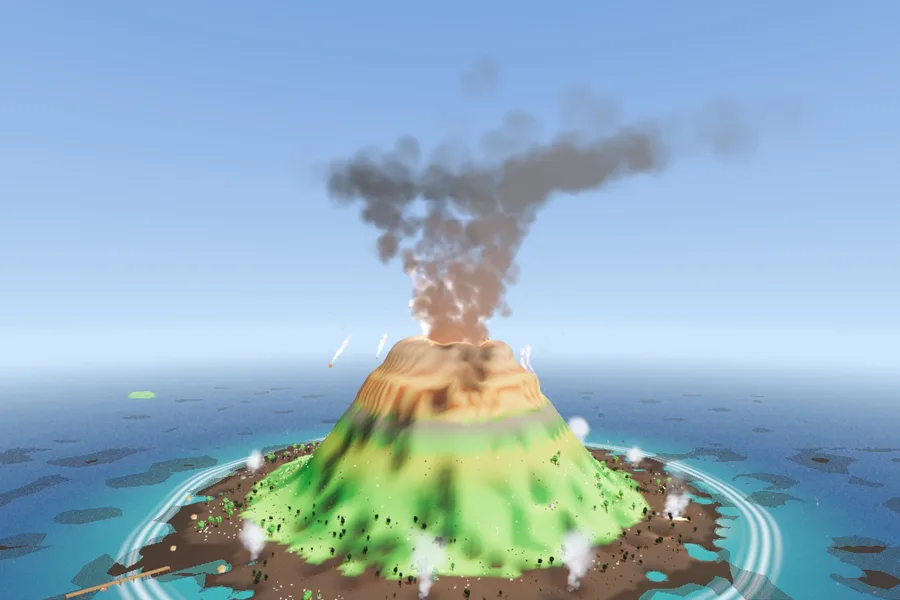
Kindling vLLM NVFP4, Mia vLLM EXL3, TensorFold EXL3 and TensorFold MLX 4-bit on the same two Sparks: speed table, exactness, island and volcano. Kindling wins crowds and long prompts; TensorFold MLX wins single-user speed with byte-identical output.
Originals untouched · repairs disclosed per arm · one run per stack per prompt
 ↗
↗
Qwen3.8-27B (1× Spark)Engine battle
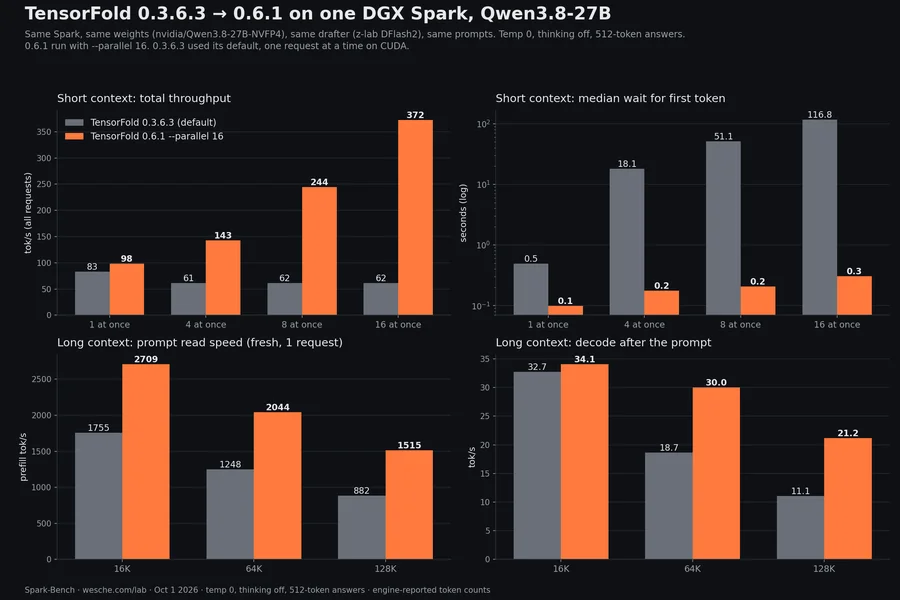
TensorFold 0.6.1 vs vLLM 0.30.0 vs SGLang 0.5.21, same weights and drafter. TensorFold went 62 → 372 tok/s at 16 at once and is the only engine with byte-identical output under load.
Measured numbers only · original 0.3.6.3 chart kept with the correction
 ↗
↗
Claude Sonnet 5.5Agentic build
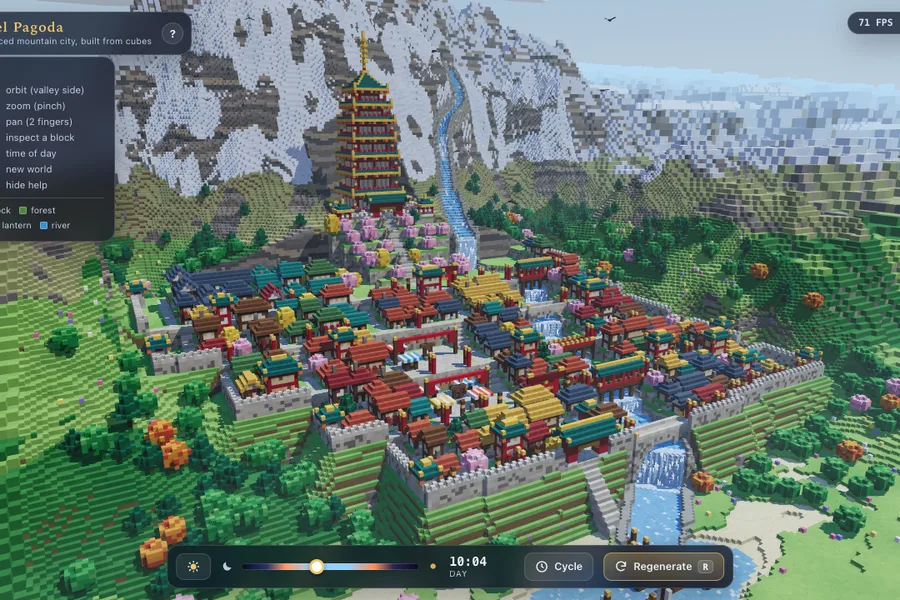
The same pagoda brief the local models get, built by Claude Sonnet 5.5 as a multi-agent workflow: three competing builders, two merges, a polish pass and three adversarial review rounds. ~260K voxel instances, ~37 draw calls, 70+ FPS on an M4 Max.
Uploaded unchanged · agentic multi-pass build, not a one-shot generation
 ↗
↗
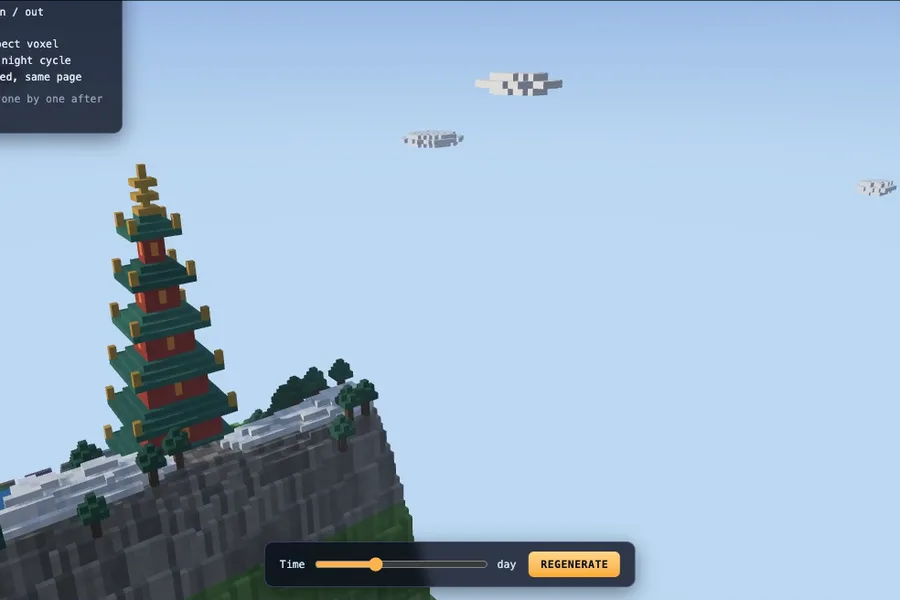
Qwen3.8-27B (Mac vs Spark)Engine × thinking
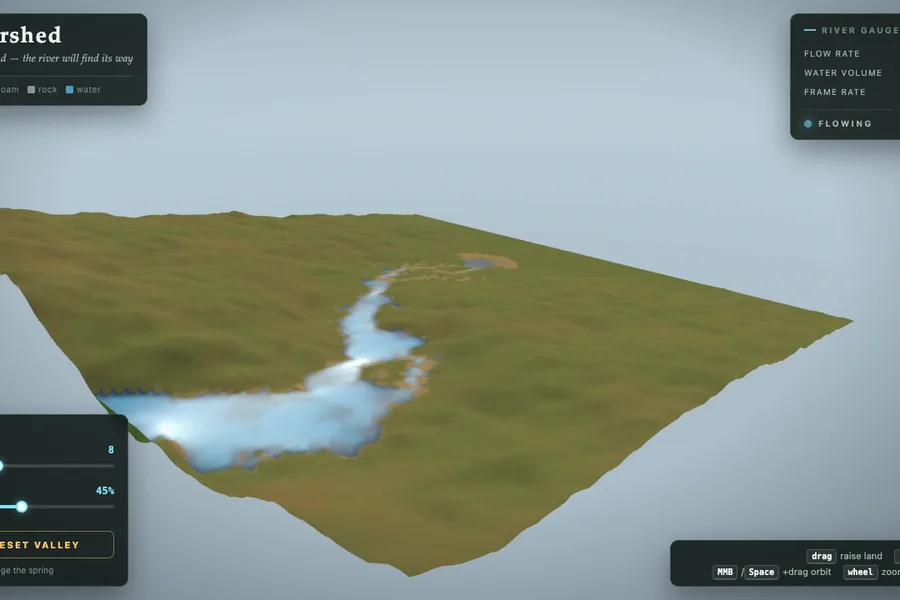
Same checkpoint, same brief, Mac Studio vs DGX Spark, thinking off and on, two seeds. Eight different games; the Spark's two long thinking runs (36–41 min) built the only real rivers.
Originals untouched · 1 arm broken, repair abandoned · capture-side RNG pin disclosed
 ↗
↗
MiMo-V2.6-Flash-RL (2× Spark)Thinking on vs off
One switch. Thinking on: 144.6K tokens, 88 minutes, a seven-tier pagoda with lanterns and pines, two one-line repairs. Thinking off: 8.6K tokens, 2.7 minutes, a white box that runs clean.
Originals untouched · 2 disclosed edits on the thinking-on arm · capture-side RNG pin disclosed
 ↗
↗
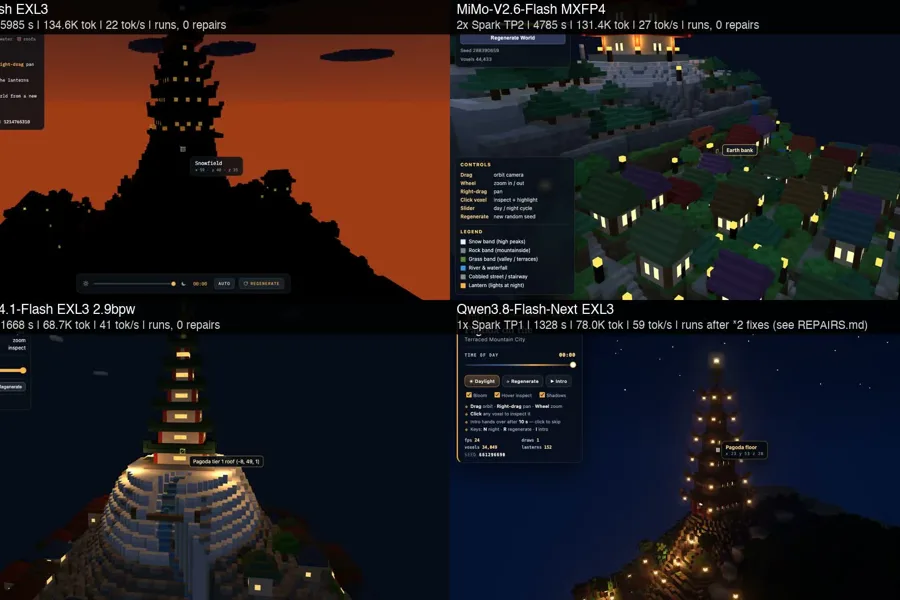
Grok 4.6 / Grok 4.7 / GLM-5.3 / MiMo-V2.6Cloud vs local
Grok 4.7 writes the whole scene in its reasoning and ships nothing over the API. GLM and MiMo both land it first try on two Sparks; MiMo in half the time.
Grok 4.7 arm from grok.com chat, untimed · MiMo capped first run discarded · no repairs
 ↗
↗
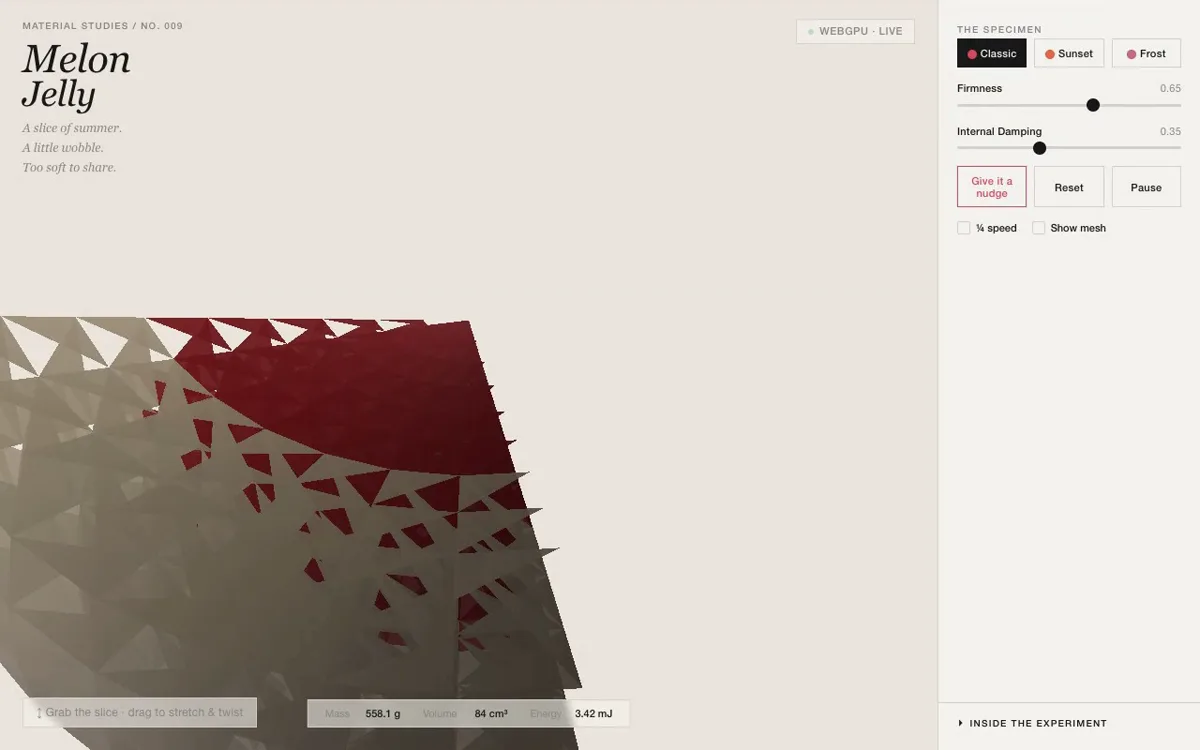
GLM / MiMo / DeepSeek V4.1 / Qwen Next4 local Flash models
Day/night, tooltip, regenerate. GLM, MiMo and DeepSeek ship it clean; DeepSeek in half GLM's tokens. Qwen is fastest and ships a parse error.
Identical scripted inputs · thinking on, uncapped · Qwen shown after 2 disclosed fixes
 ↗
↗
DeepSeek V4 Flash / Qwen3.8-27B (M4 Max)Failures preserved
A long WebGPU + XPBD brief. DeepSeek renders a holey wedge after one sign fix; Qwen3.8-27B never initialises. Two thinking-on runs burned their whole budget and wrote no HTML. GLM and Qwen-Next pending.
Originals untouched · one disclosed edit each · thinking-on burns listed in evidence.json
 ↗
↗
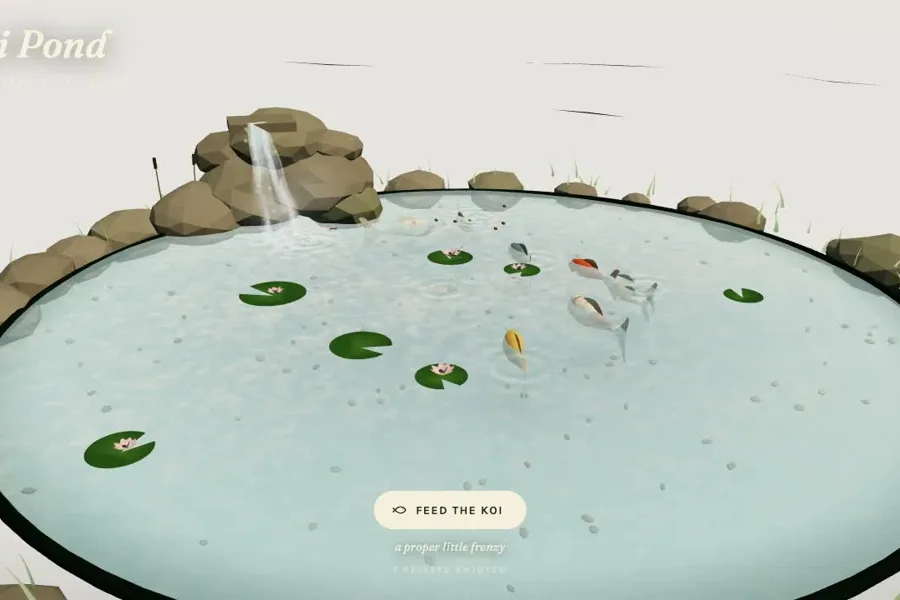
GLM-5.3 Flash / MiMo-V2.6 FlashLocal vs local
Both models delivered first try. GLM's pond is clearly the better one; MiMo finished in half the time.
Identical scripted inputs · thinking on, uncapped · no repairs
 ↗
↗
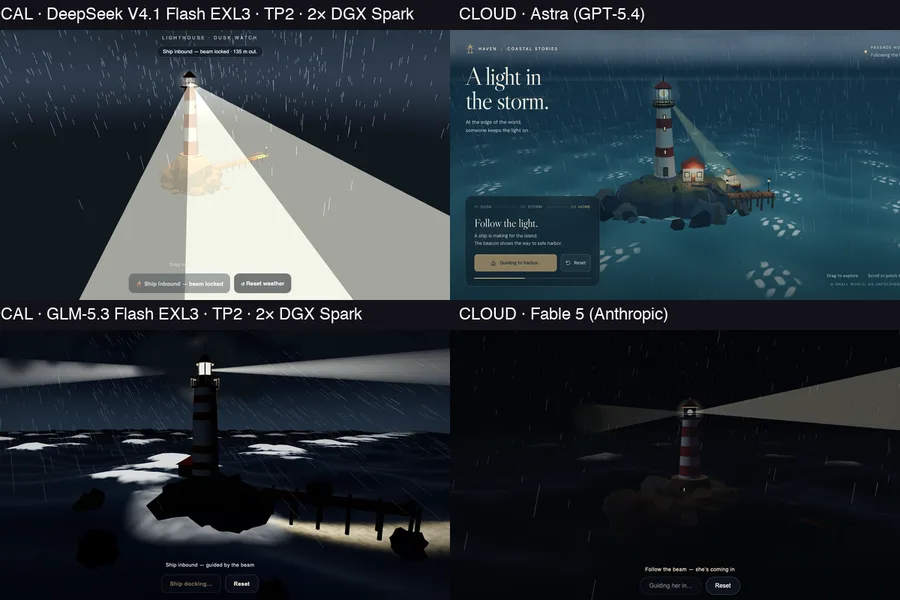
Astra / GLM-5.3 / Fable 5 / DeepSeek V4.1Cloud vs local
An underspecified Three.js brief finally separates the models. Astra runs away with it; GLM proves two Sparks can hang; DeepSeek forgets the ocean.
Cloud arms untimed · DeepSeek TP2 not TP4 · GLM node crash disclosed
 ↗
↗
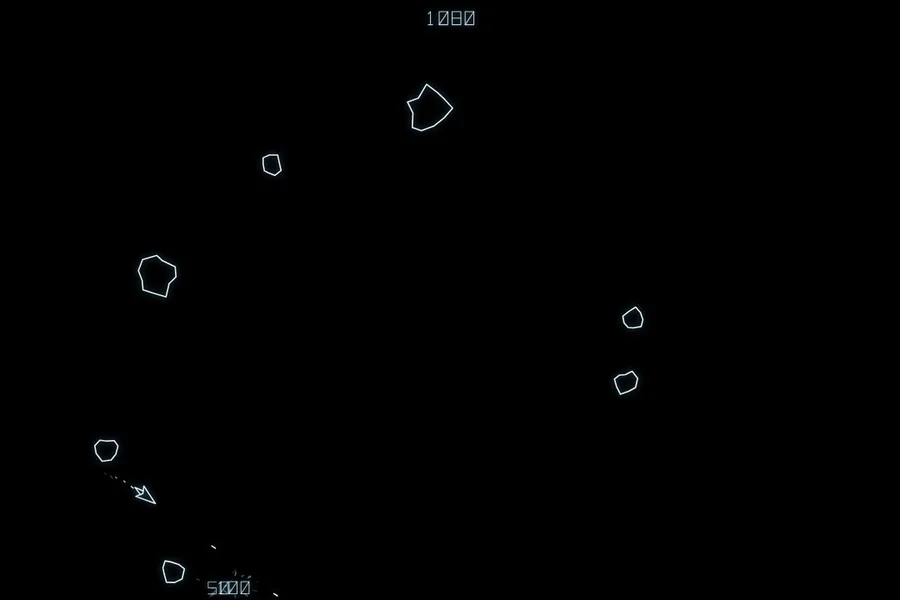
DeepSeek V4.1 / GLM-5.3 FlashLocal vs local
Same prompt, ultra reasoning, two Spark pairs — and two nearly identical games. A lesson in what a classic-game prompt actually tests.
Identical scripted inputs · different worlds · no repairs
 ↗
↗
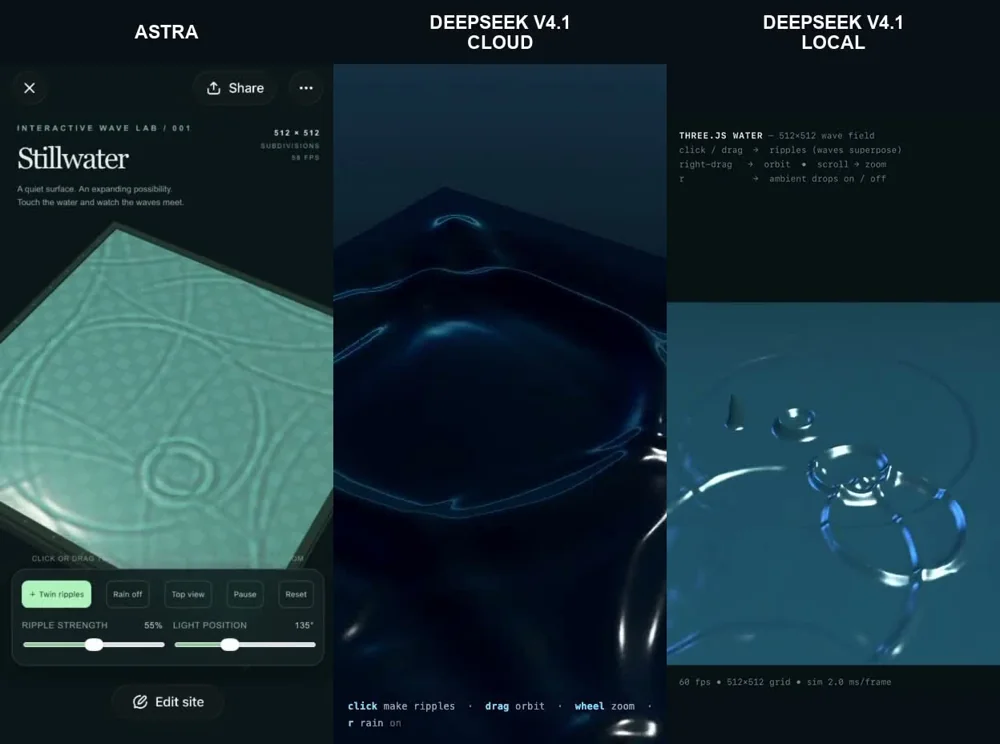
Astra / DeepSeek V4.1Cloud vs local
One water prompt through ChatGPT, the official API and a local Hermes agent. Watch the outputs and inspect the timing caveats.
Different workflows · not a controlled speed benchmark
 ↗
↗
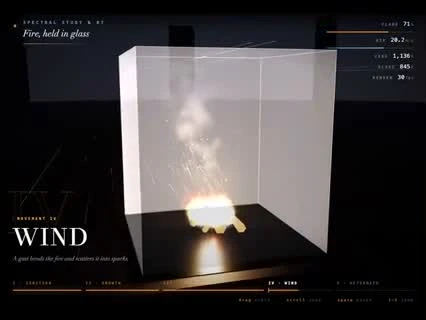
Qwen Flash-Next / AEON / MLXThree deployments
From the first spark to wind-driven blowout. Three local deployments tackle the same fire simulation, with repairs disclosed.
Repaired variants labeled · 120K request budget
 ↗
↗
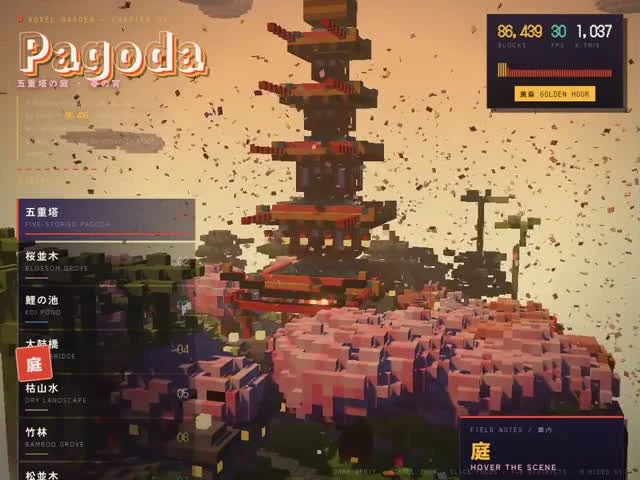
Qwen Flash-Next / Ling Flash VLFP8 · two Sparks each
A dense district-planned garden meets a compact colorful pagoda. Two model families, two engines, one creative brief.
Different engines · requested effort is not equivalent policy
 ↗
↗
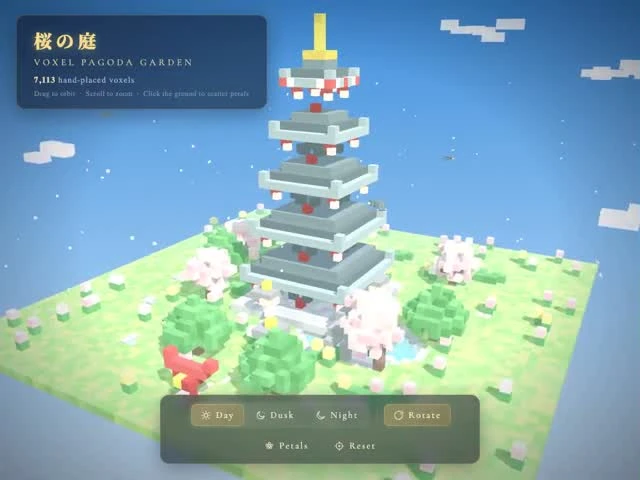
Nex-N2.5-mini / Ling Flash VLRepair disclosed
The original, the repaired scene and the exact diff. A reminder that generating HTML is not the same as shipping a working world.
Nex: two missing declarations fixed · original downloadable
 ↗
↗
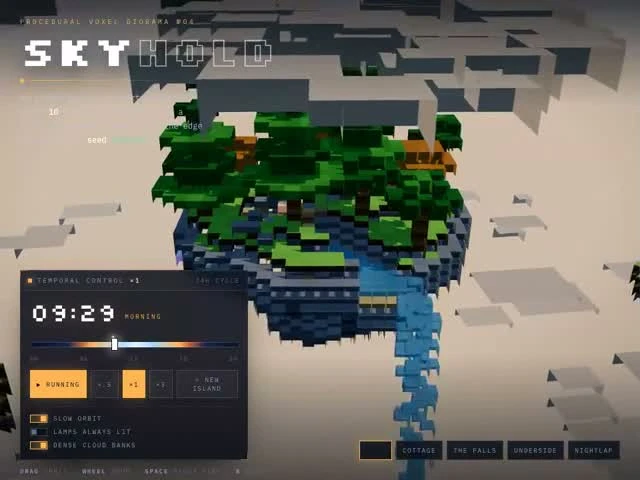
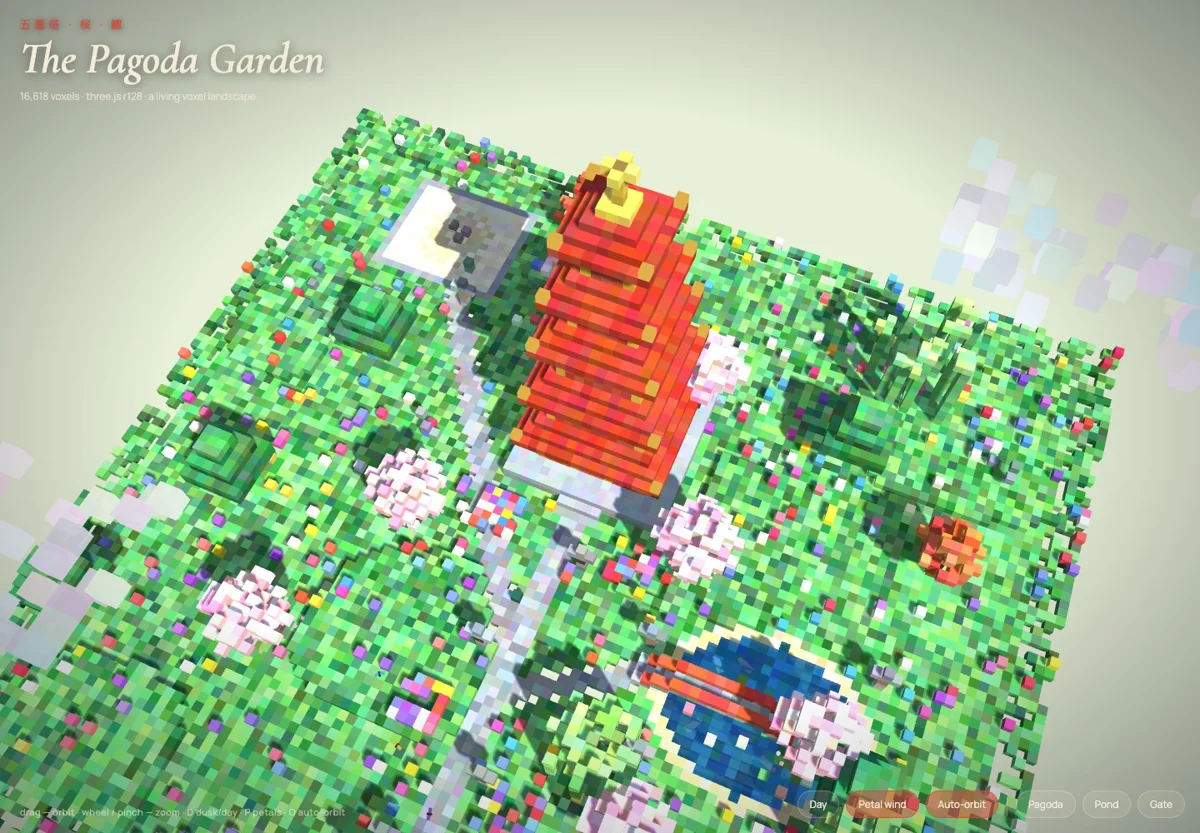
Qwen Flash-Next / MLX / AEONFailures included
Two floating islands and an AEON arm that failed to finish a usable artifact. Model failures and harness failures stay separate.
Mac repair disclosed · failed AEON attempts documented
 ↗
↗
Qwen / GLM / DeepSeek + moreInteractive archive
Explore each model’s pagoda garden, from koi ponds to drifting petals. Switch models and orbit the actual outputs.
Includes disclosed display repairs and failed runs
 ↗
↗
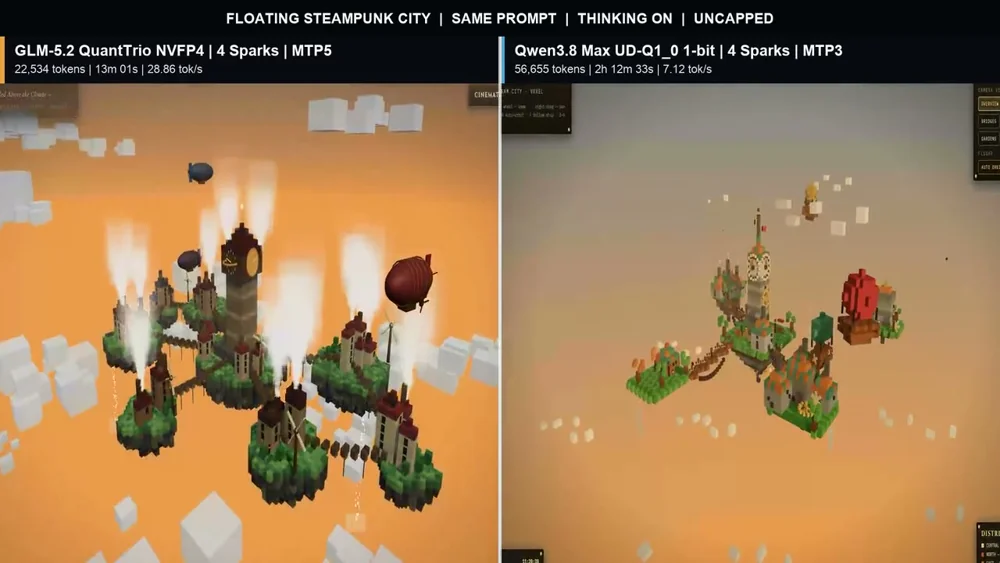
Qwen3.8 / GLM-5.2 / Qwen3.6Three-model study
Clock towers, airships and islands above the clouds. One prompt, very different interpretations of a floating world.
Originals and display-repaired variants identified in archive
 ↗
↗
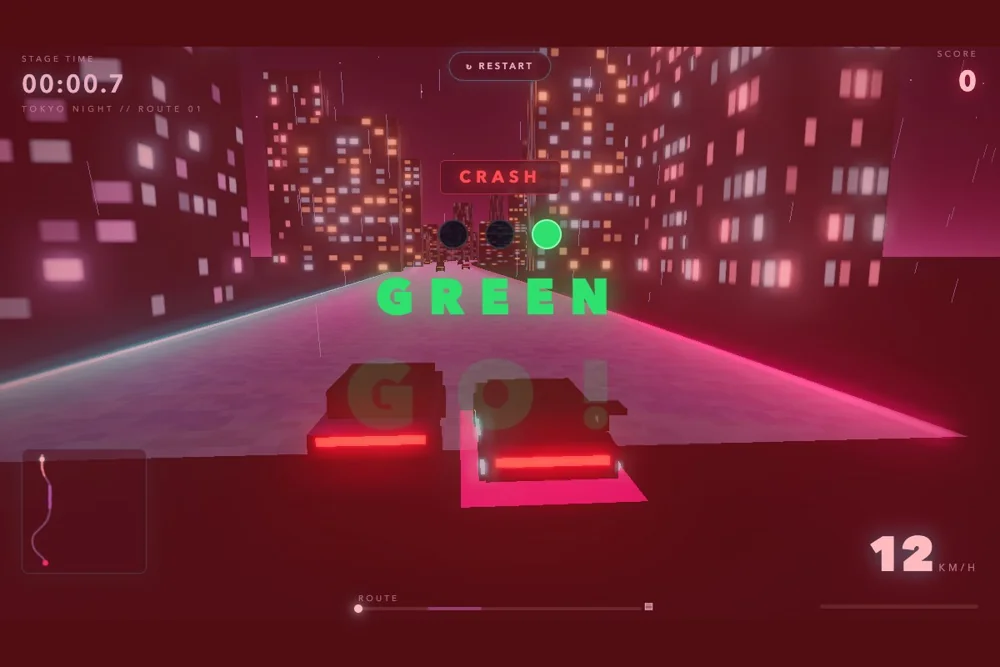
QwenDriving game · version 2
A midnight run through Tokyo. Drive, drift, switch the camera, and put a model-generated game through its paces.
 ↗
↗
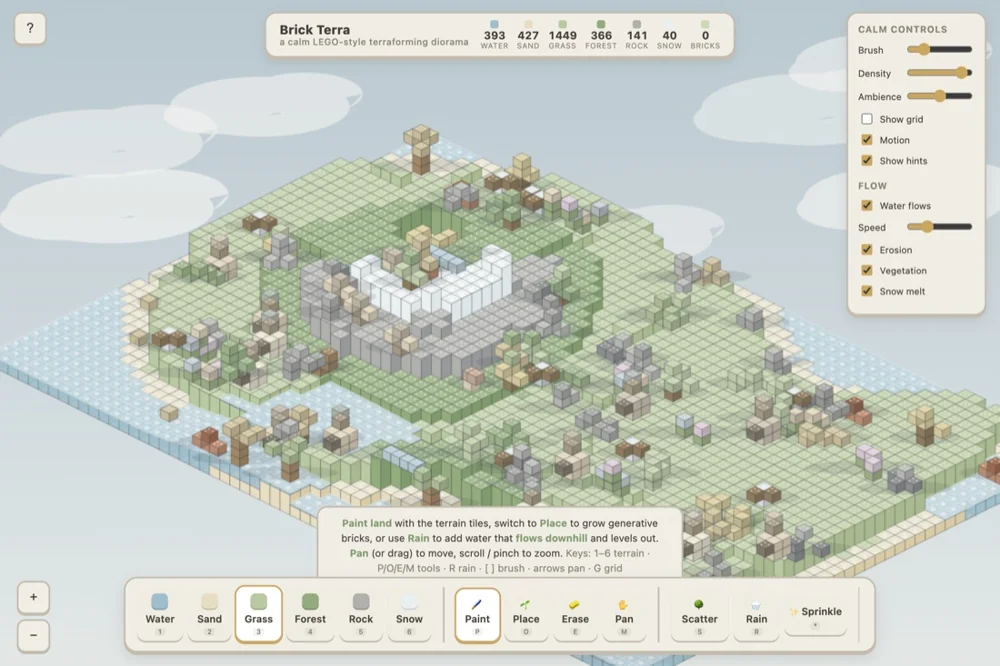
Voxel terrain / physicsPlayable sandbox
Paint the landscape, send water downhill, and watch a small world respond. An interactive terraforming diorama.
 ↗
↗
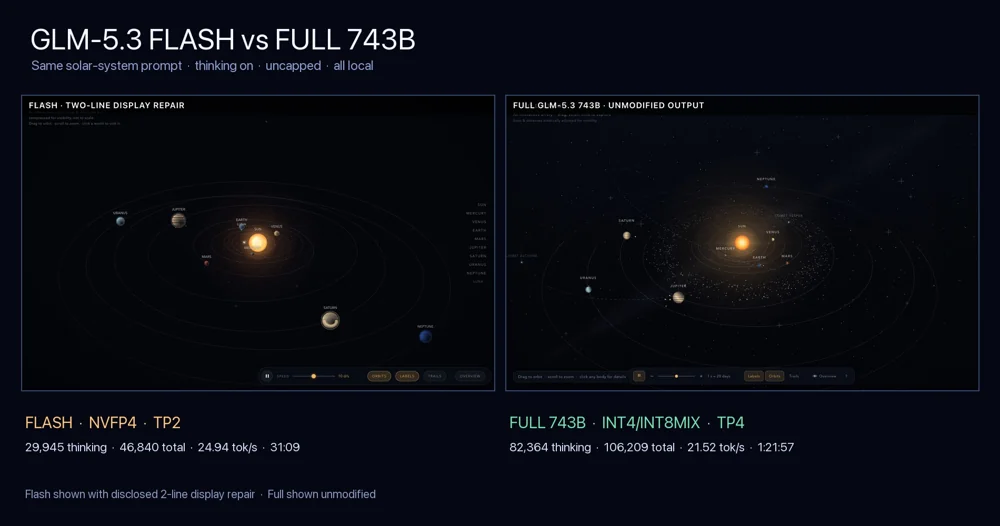
GLM-5.3 Flash / FullDeployment scale
Two-Spark Flash meets four-Spark Full on the same solar-system brief. Explore both interactive orreries.
Flash display repair disclosed · original preserved
 ↗
↗
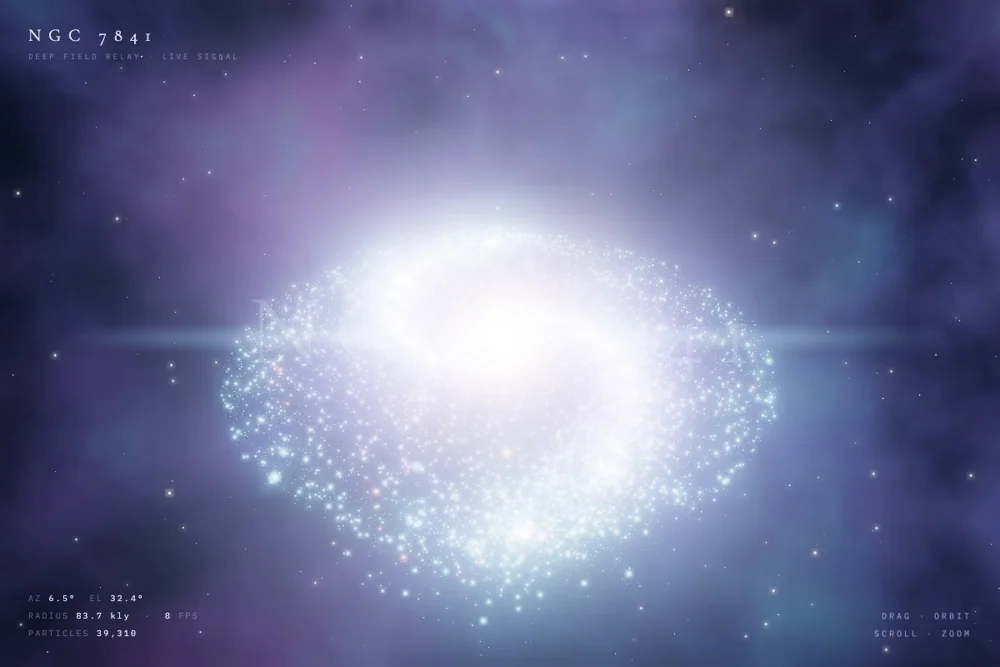
GLM-5.3 Flash / Qwen3.8WebGL comparison
Two long-reasoning models turn a shared brief into interactive galaxies. Inspect the details beyond the hero shot.
 ↗
↗
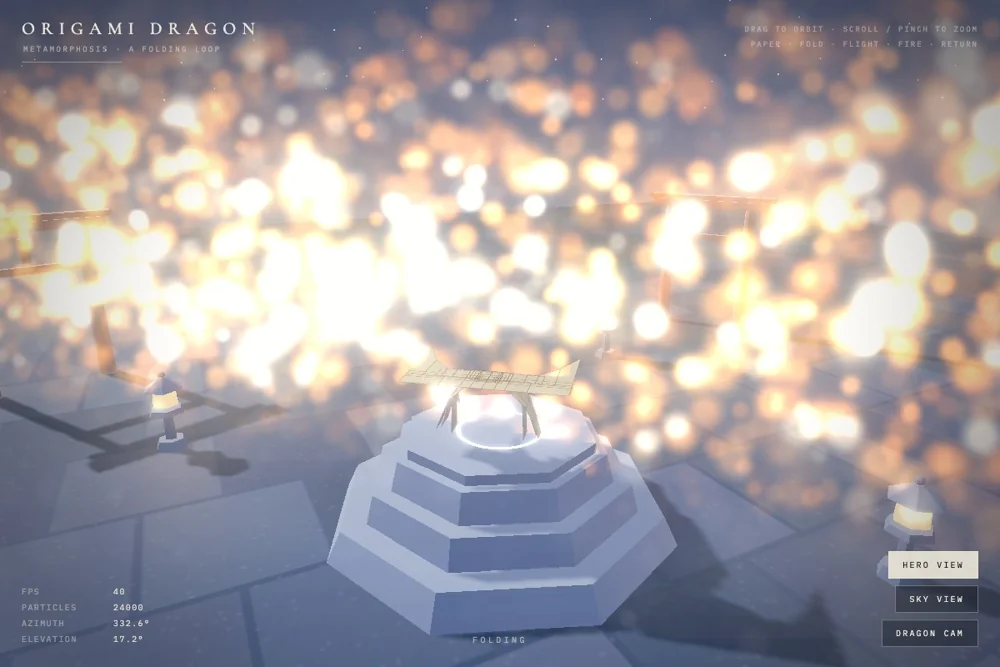
GLM-5.3 Flash / Qwen3.8Animated metamorphosis
Paper folds, transforms and takes flight. A test of geometry, motion and whether the ambitious brief survives rendering.
 ↗
↗
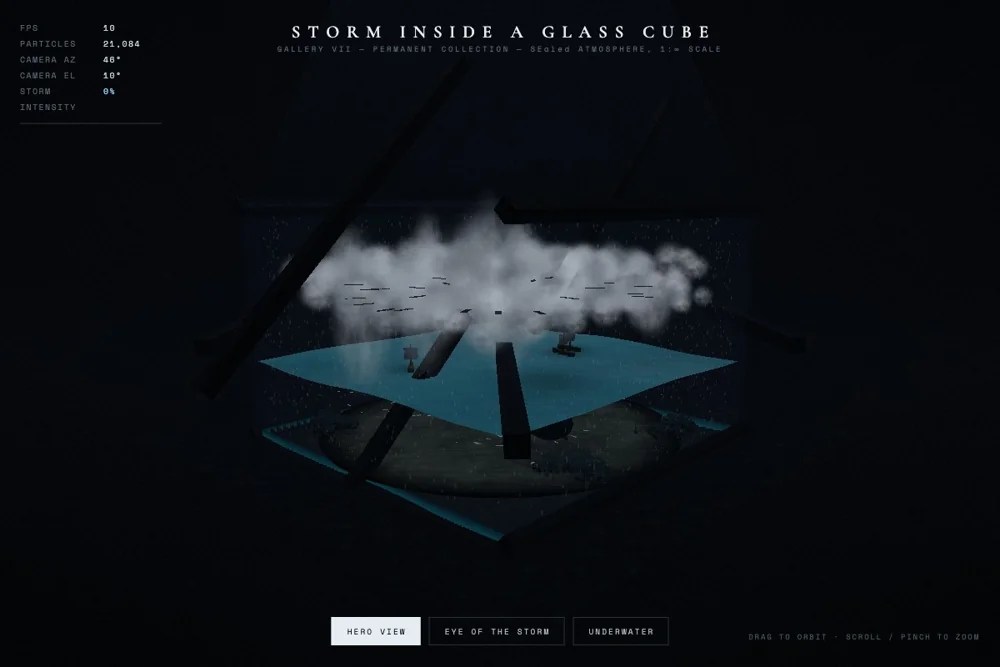
GLM-5.3 Flash / Qwen3.8Weather simulation
A quiet museum object becomes a miniature supercell. Compare the generated scenes and watch the recordings.
↗
Qwen Flash-Next / Max / 27BQuant & scale
Flash-Next, Max at 1-bit and a smaller 27B model tackle the same garden. Different deployment sizes, visible trade-offs.
Flash-Next render fix disclosed on experiment page
 ↗
↗
Qwen3.6-27B / BonsaiFailure preserved
A useful counterexample: the 1-bit version never became a working game, even after follow-up attempts. The broken output stays public.
Includes failed output and follow-up attempts
No matching experiments. Try a model name or a different filter.